Why concept still rules everything
Great design doesn’t start with tools or trends, it starts with a clear idea…
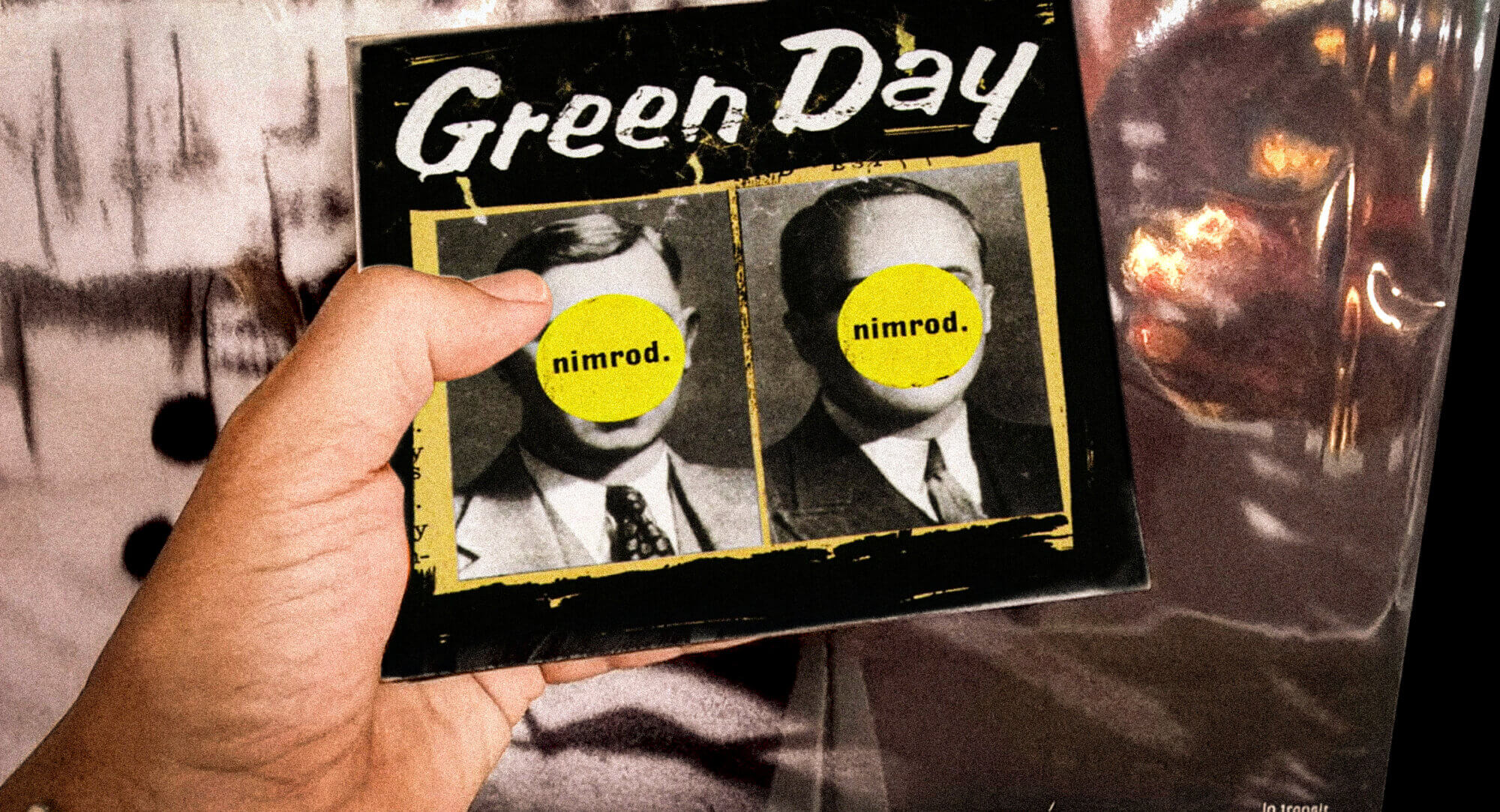
When I first arrived as a new immigrant from Ukraine, Western design honestly shocked me. Everything felt like it had been dipped in colour or pushed into extreme simplicity with brave black and white choices. Coming from the muted palettes and controlled visual approach of the USSR, the ’90s album covers were the biggest surprise. They were loud, messy, provocative, unpredictable and sometimes borderline chaotic. But inside all that visual noise, something was very clear. Every choice came from an idea. Covers like The Roots’ ‘Things Fall Apart’, Happy Mondays’ ‘Pills ’N’ Thrills and Bellyaches’, Massive Attack’s ‘Blue Lines‘ or Primal Scream’s ‘Screamadelica’ were not trying to be pretty. They were trying to say something. And that is what made them unforgettable.
Looking back now, with years of design work behind me, it is funny how true that same principle still feels. We have better tools, endless type options, design resources everywhere, and AI platforms that can generate entire universes on demand. But none of that replaces the thing that actually matters. The idea. The concept. The reason behind the work. Without that, even the smartest layout feels hollow. You can polish it, align it, animate it until everything snaps perfectly, but if the core idea is weak, the whole thing feels empty inside. Pretty but empty.
Tools evolve, but the idea still rules
The ’90s understood this, even in all their chaos. The visuals were built around identity, not trend. They tried to surprise us, to break rules, to say something new. It was not about being tasteful. It was about being true. Everything followed the concept, even when the execution looked wild.
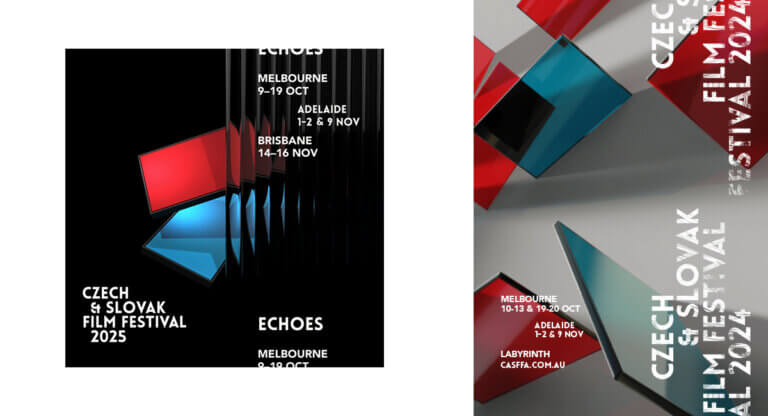
Today, when I work with clients, designers or account managers, this is still the line I come back to. If the idea is solid, the design almost builds itself. Decisions become obvious instead of turning into debates about personal preferences. You know what to highlight, what to hide, and where the energy should go. You follow the objective that started the job and the idea that helps the audience understand and feel.
Good design isn’t decoration, it’s communication
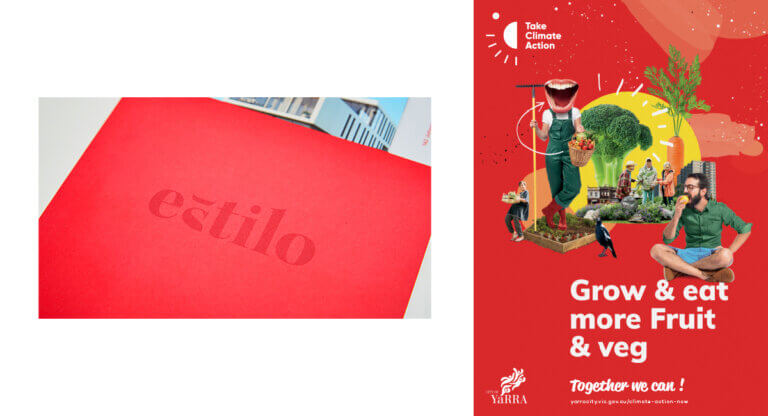
This is why I always enjoy talking about process. Not the software or the templates or the steps, but the thinking behind it. Good design is not decoration. It is communication. And communication starts with clarity. The strongest projects are not the ones with the fanciest details. They are the ones with a clear point of view, the ones that know exactly what they want to say and why.
Even now, when I look at those old album covers, I am reminded of the same lesson. Design does not need to be quiet or loud, clean or chaotic, minimalist or explosive. It only needs a reason to exist. Everything else is style. The idea is what makes it stand out.